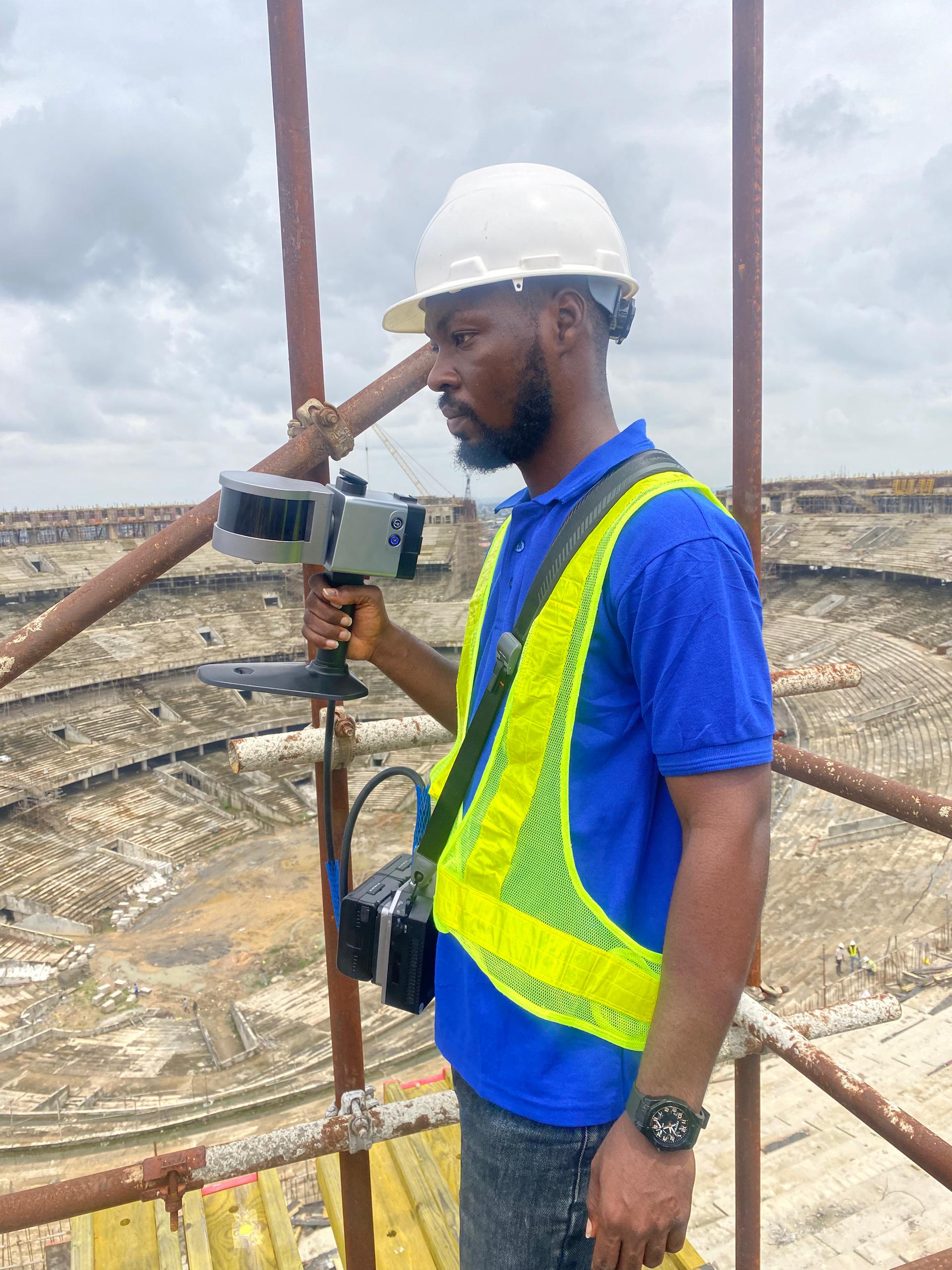
From manufacturing floors to autonomous vehicles, Simultaneous Localization and Mapping (SLAM) is quietly revolutionizing how we think about spatial intelligence across industries.
What makes SLAM particularly fascinating is its unique position as a bridge technology. It takes traditional concepts from robotics and computer vision and adapts them for cutting-edge applications like AR/VR, autonomous systems, and smart infrastructure.
Where we’re seeing the impact:
Manufacturing: Enabling autonomous mobile robots to navigate complex factory environments while integrating with legacy systems
Retail & Logistics: Powering inventory robots that work alongside traditional warehouse management systems
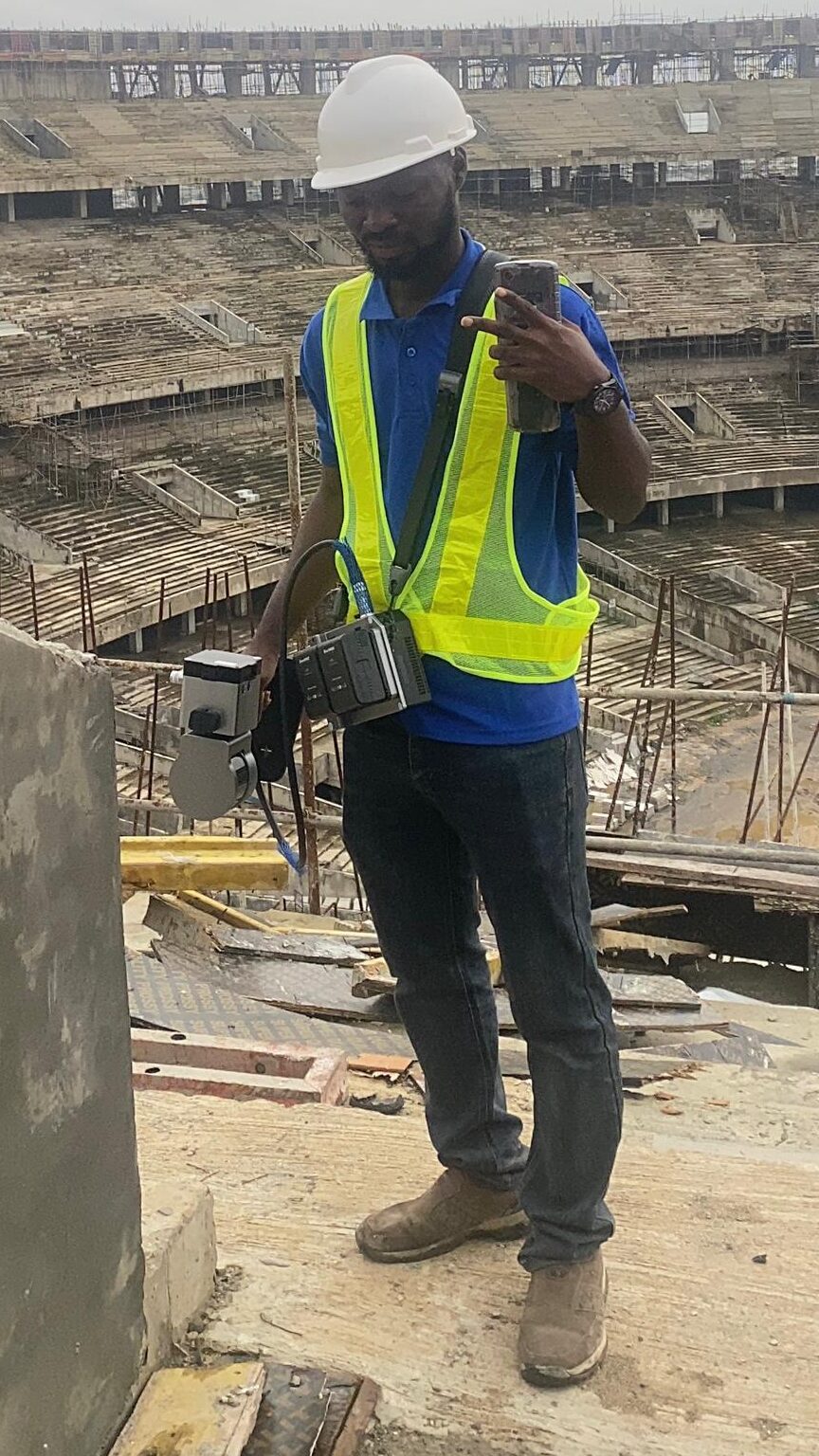
Construction: Allowing real-time 3D mapping that connects with established CAD workflows
Healthcare: Supporting surgical robots and navigation systems within existing hospital infrastructure
The beauty of SLAM lies in its adaptability. It doesn’t require companies to abandon their existing technology investments. Instead, it creates intelligent layers that enhance traditional processes with spatial awareness and autonomous capabilities.
As we move toward Industry 4.0, SLAM represents more than just a technical solution—it’s a pathway for organizations to evolve gradually while maintaining operational continuity.
What emerging technologies do you see having similar bridging potential in your industry?